If I’m being completely honest, the worst time to go to Bali is usually Winter.
That’s peak rainy season. And no, it’s not just “a quick tropical shower and sunshine after” like some blogs love to promise. From my experience (and what you’ll see echoed all over Reddit), it can mean days of grey skies, heavy humidity, random downpours, and beaches that don’t look anything like Instagram.
But here’s where it gets a bit nuanced.
If you want the honest version — January and February are the worst months to visit Bali because of heavy rain, humidity, and inconsistent weather.
That said, some people actually prefer this time because it’s cheaper and less crowded. On the flip side, July–August has perfect weather but can feel overcrowded and expensive.
If you want the best experience without extremes, just go in May, June, or September. That’s when Bali feels the most balanced.
If your main goal is:
🌴 Beach clubs, sunsets, and clear skies → this is the worst time💰 Saving money and avoiding crowds → it might actually be okay
Also worth saying. The “worst time” isn’t only about weather. For some people, July - August or Christmas in Bali feels worse because of insane traffic, packed beaches, and inflated prices.
This breakdown of Bali’s dry and wet seasons will make your timing decision much easier.

Before calling anything “the worst,” you need to understand how weather in Bali actually works. Because it’s not as simple as good vs bad.
Bali basically has two seasons:
This is what most people imagine when they book Bali.
This is when Bali feels like… well, Bali. Clean beaches, clear views, and that effortless island vibe.
This is where expectations vs reality can clash.
And here’s the part many guides don’t say clearly. It’s not just about rain. It’s about how unpredictable everything becomes.
One day can be sunny and perfect. The next. Non-stop rain, cancelled plans, and muddy streets.
Rainy season doesn’t mean it rains 24/7. But it does mean:
That’s why some travelers leave disappointed. Not because Bali is bad. But because they came with dry-season expectations during wet season.
In short:
And once you understand that, it becomes much easier to see why some months feel like the “worst.”
The dry season offers more predictable sunshine and easier planning, while the rainy season brings greener landscapes and fewer crowds but less consistency. If you’re comparing dry vs rainy season in Bali, the main difference comes down to reliability versus flexibility.

If you’re looking for a straight answer without sugarcoating, here it is:
👉 January and February are the worst months to visit Bali for most travelers.
And March can still be a bit unpredictable, depending on the year.
This is peak rainy season, and it shows:
It’s not uncommon to have 2–3 days in a row where the weather just doesn’t cooperate. That’s the part that frustrates people the most.
Here’s something many first-time visitors don’t expect.
During this period, Bali gets what’s often called “trash season.”
Ocean currents push debris onto the west coast beaches (like Canggu, Seminyak, Kuta), which can mean:
It’s not everywhere, and it’s not constant. But when it happens, it definitely affects the vibe.
You’ll still hear people say:
“It’s Bali, it’s always good.”
And honestly, they’re not completely wrong.
You can still:
But if your vision is:
Then this period can feel… underwhelming.
If it’s your first time in Bali, I’d avoid January–February.
If it’s your second or third trip, and you don’t mind slower days and occasional rain, you might actually enjoy it (especially with lower prices).
But for most people. This is the closest thing Bali has to a “bad time.”
When it comes to identifying the worst months to visit Bali, January and February are usually at the top of the list due to heavy rainfall and high humidity. These months fall right in the peak of the Bali rainy season, making weather conditions less predictable and sometimes disruptive for travel plans. If you’re researching “when not to visit Bali” or “rainy season Bali months,” this is the period most travelers try to avoid.

Now here’s the twist. The “worst time” isn’t only about bad weather.
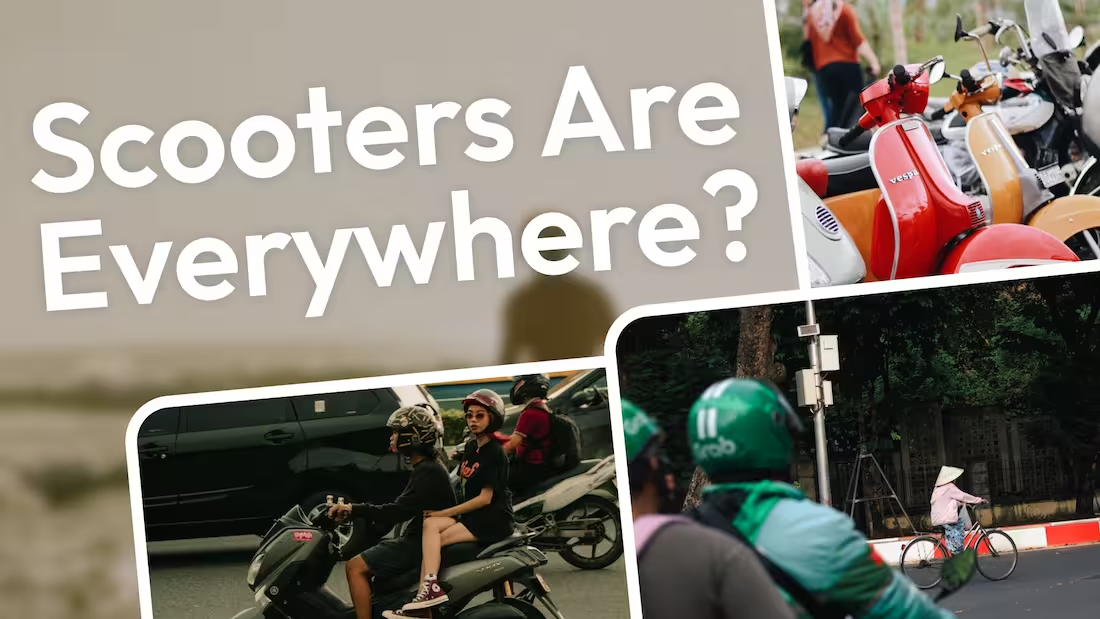
For a lot of travelers, the worst experience in Bali actually happens during peak season — when everything looks perfect… but feels chaotic.
This is when Bali is at its busiest. And you’ll feel it almost everywhere.
I’m not exaggerating. Traffic in areas like:
can turn a 10-minute ride into 40+ minutes.
What looks close on Google Maps doesn’t always mean fast in reality.
During peak months:
It’s still beautiful, but definitely less peaceful.
Peak season = peak pricing:
And the worst part? You’re paying more for a more crowded experience.
Here’s a take you’ll see a lot online:
“I’d rather have some rain than deal with the crowds.”
And honestly, I get it.
Because at least during rainy season:
Then peak season might disappoint you more than bad weather.
It’s not a bad time to go. But it’s definitely not the Bali most people imagine.
Travelers searching for the best time to visit Bali often overlook how crowds impact the experience, from traffic congestion to fully booked venues and higher prices. While the island is vibrant during these months, it can lose some of its relaxed charm due to overtourism in popular areas. If you’re considering when to go to Bali, it’s important to weigh perfect weather against comfort and convenience.

This is the part I wish someone told me before my first trip to Bali.
Because beyond weather and crowds, there are a few less obvious things that can quietly ruin the experience if you’re not prepared.
I mentioned it briefly before, but it deserves emphasis.
Between roughly December and March, ocean currents bring debris to the west coast. Areas like:
can sometimes have visible waste on the beach.
It’s not constant. Some days are totally fine. But when it hits, it changes the whole vibe.
Bali is incredible. But infrastructure hasn’t fully caught up with tourism growth.
That means:
Even short distances can feel like a mission, especially during busy periods.
People think. “Okay, I’ll just skip beach days.”
But in reality:
So it’s not just a beach issue. It impacts the whole trip.
This one is subtle but important.
You’ve probably seen:
In reality, depending on timing:
It doesn’t make Bali worse. But it does change expectations.
Bali looks small on the map. But it doesn’t behave like a small island.
Trying to:
…usually leads to stress instead of enjoyment.
Especially during bad weather or peak traffic.
Beyond weather and crowds, there are several hidden factors that can influence your Bali experience and aren’t always covered in typical travel guides. Issues like traffic congestion, seasonal beach conditions, and unrealistic expectations from social media can affect how you perceive your trip.
When researching the best time to visit Bali, it’s important to consider these real-world factors alongside weather and pricing.
None of these are dealbreakers.
But combined with:
they can turn a “dream trip” into something slightly frustrating.
The difference between a great Bali trip and a disappointing one is often just timing + expectations.
If you want to be 100% sure about timing - read Best Months to Go to Bali: Month-by-Month Breakdown.
✅ Bali is still enjoyable in off-season if expectations are realistic
✅ Shoulder season (May, June, September) offers the best balance
🔶 January–February is the worst time for weather in Bali
🔶 Rainy season brings humidity, clouds, and unpredictable days
🔶 Peak season (July–August, December) means crowds and high prices
🔶 Traffic and infrastructure can affect your experience more than expected
🔶 “Trash season” can impact beaches during rainy months
🔶 Rainy season can ruin first-time expectations if poorly timed
🔶 Peak season can feel overcrowded and overpriced
🔶 Instagram vs reality can be disappointing without proper planning
We’ve created the ultimate Bali guide for first-time visitors — based on real experience, not guesswork.