
Listen… before going to Bali, I honestly thought the food would just be “cheap tropical vacation food” and that was basically it.
But the weird thing is — Bali food has two completely different personalities. One minute you’re eating smoky grilled meat with spicy sambal from a tiny local warung for a few bucks 🌶️… and the next minute you’re sitting in a minimalist café paying Western prices for avocado toast and smoothie bowls.
And honestly, both experiences somehow feel equally “Bali.”
So if you’re wondering what food in Bali is actually like, the answer is probably more nuanced (and more interesting) than you expect.
Food in Bali is a mix of traditional Indonesian flavors and modern international café culture. You’ll find everything from spicy local rice dishes for a few dollars 🍛 to trendy brunch cafés that honestly feel more like Australia or Los Angeles than Southeast Asia.
Traditional Balinese food is usually rich, flavorful, spicy, and heavily based around rice, grilled meats, vegetables, and sambal. At the same time, Bali has become one of the biggest digital nomad and wellness destinations in the world, so healthy cafés, vegan restaurants, smoothie bowls, and specialty coffee are everywhere.
And honestly, that contrast is what makes Bali’s food scene so interesting. One day you’re eating authentic local food in a tiny family-owned warung, the next day you’re ordering oat milk matcha pancakes in Canggu 😅
Overall, the food in Bali is diverse, affordable in many cases, and much more international than most people expect.
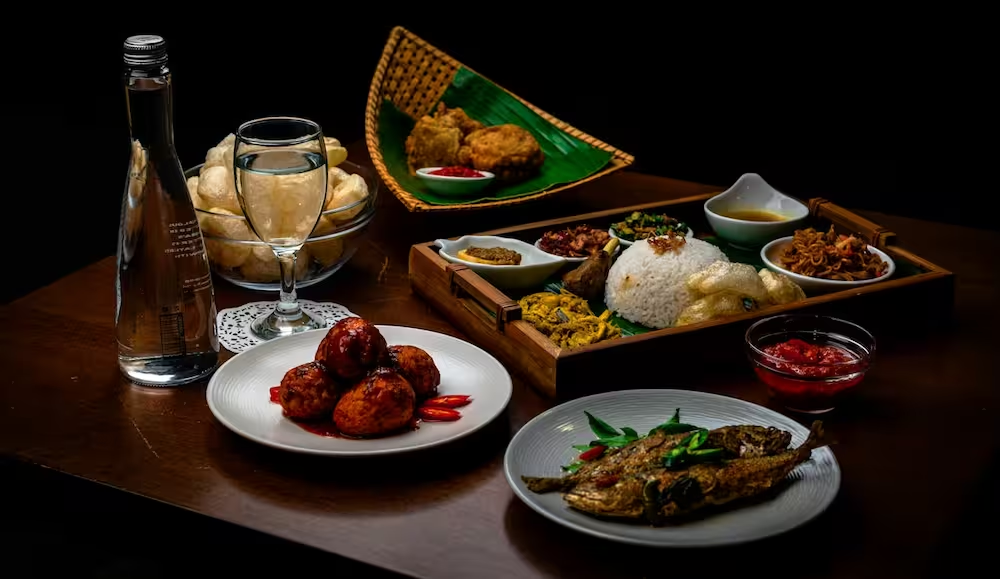
If I had to describe traditional Balinese food in one sentence, I’d say:
It tastes bold, layered, and way more intense than many people expect.
A lot of first-time visitors assume Indonesian food is similar to Thai food. And while there are overlaps, Balinese cuisine has its own thing going on completely.
The flavors are usually:
And honestly, sambal (popular Southeast Asian condiment) becomes part of your personality after a few days in Bali 😅
Balinese food loves spice — but not always in the “destroy your mouth” way.
A lot of dishes use:
The result is food that tastes really deep and aromatic rather than just hot.
One thing I kept noticing:
Even simple rice dishes somehow tasted more flavorful than expected.
Rice in Bali is not just a side dish. It’s kind of the foundation of the whole meal.
A typical local plate often includes:
And meals are usually very balanced despite looking simple.
That’s probably why so many travelers say local food in Bali feels surprisingly satisfying even when it’s cheap.
A lot of Balinese dishes have this smoky grilled flavor that’s honestly hard to replicate outside Indonesia.
You’ll smell it constantly walking past small warungs:
And because many ingredients are local and fresh, meals often taste lighter than heavy Western fast food even when they’re filling.
If you’re planning your trip and want to understand how much you’ll actually spend eating out in Bali day by day, I break it down in detail in my Bali food prices guide.
Here’s the honest part though.
Not everyone instantly falls in love with traditional Balinese food.
Some travelers find:
And honestly, that’s fair.
But most people seem to go through the same cycle:
Traditional Balinese food is known for bold flavors, spices, rice dishes, grilled meats, and rich seasoning. Balinese cuisine combines spicy, smoky, savory, and slightly sweet flavors using ingredients like chili, garlic, ginger, and lemongrass. Rice plays a central role in most traditional meals in Bali, usually served with meat, vegetables, and sambal. Overall, traditional food in Bali is flavorful, unique, and very different from typical Western cuisine.

Alright, this is the section people usually care about most 😄
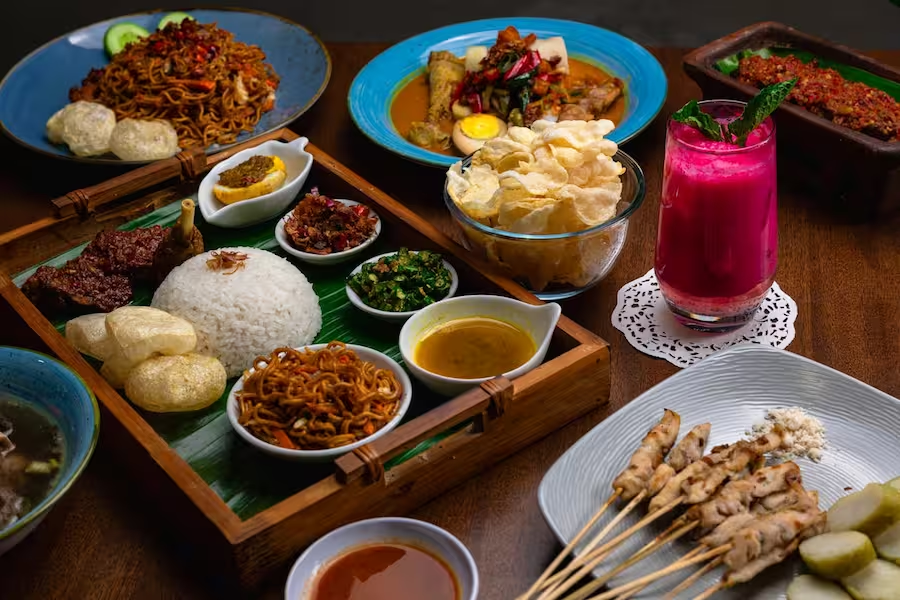
Because once you get to Bali, there are a few dishes you’ll see everywhere — and honestly, some of them really do deserve the hype.
The interesting part is that many Balinese meals look simple at first… but end up being ridiculously flavorful.
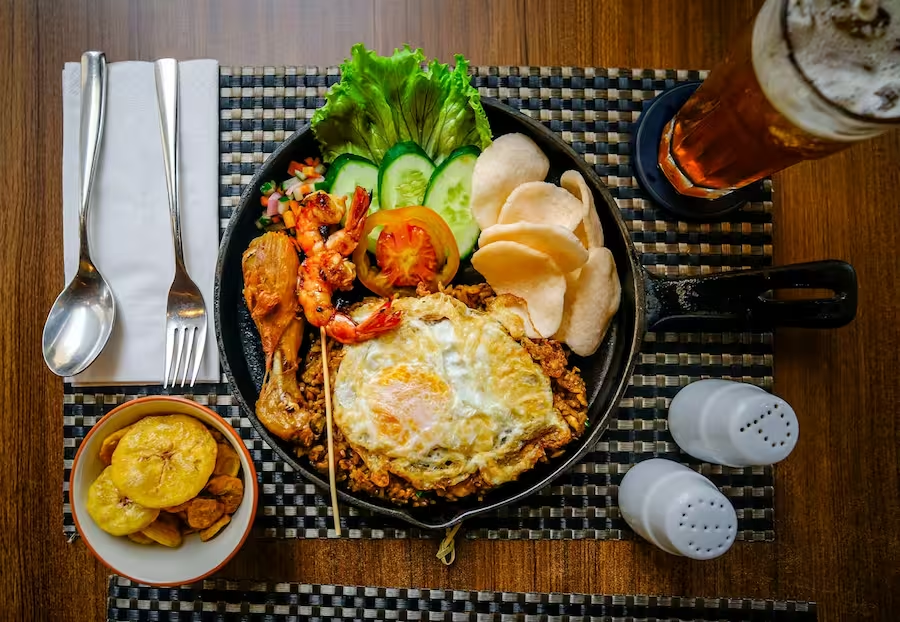
This is probably the most famous Indonesian dish internationally.
At its core, it’s fried rice — but calling it “just fried rice” feels unfair. Good nasi goreng has:
It’s cheap, filling, and somehow works at literally any time of day.
A lot of travelers basically end up eating it on repeat.
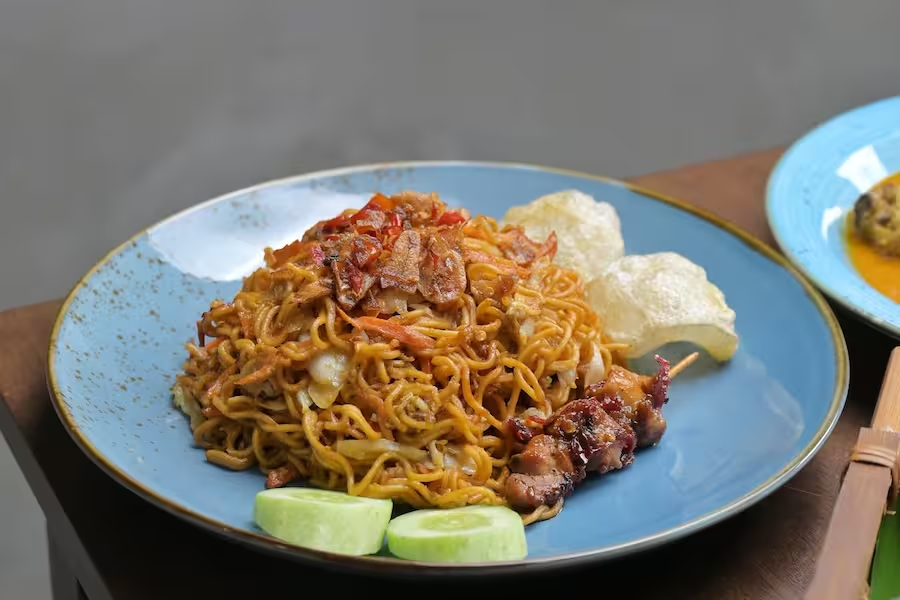
Think of this as nasi goreng’s noodle cousin.
Sweet, salty, slightly spicy fried noodles with vegetables, meat, or seafood. Comfort food in the best possible way.
Honestly, this is one of those dishes that people don’t expect much from… and then randomly crave months later.
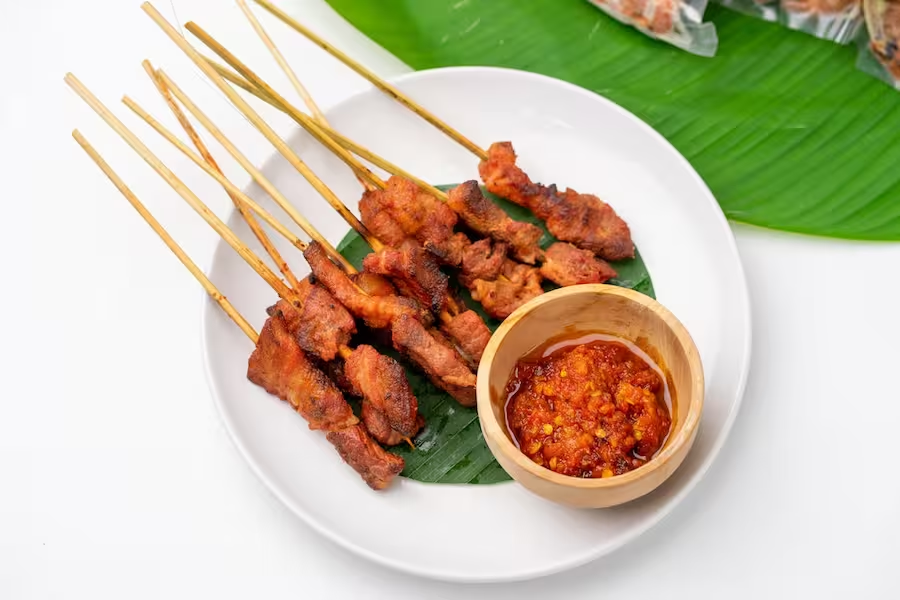
This one is very Bali-specific.
Babi Guling is roast pork stuffed with spices and cooked slowly until the skin becomes crispy and insanely flavorful.
People on Reddit constantly mention this dish as:
“One of the best meals I had in Southeast Asia.”
And honestly… if you eat pork, it’s probably the most iconic food experience in Bali.
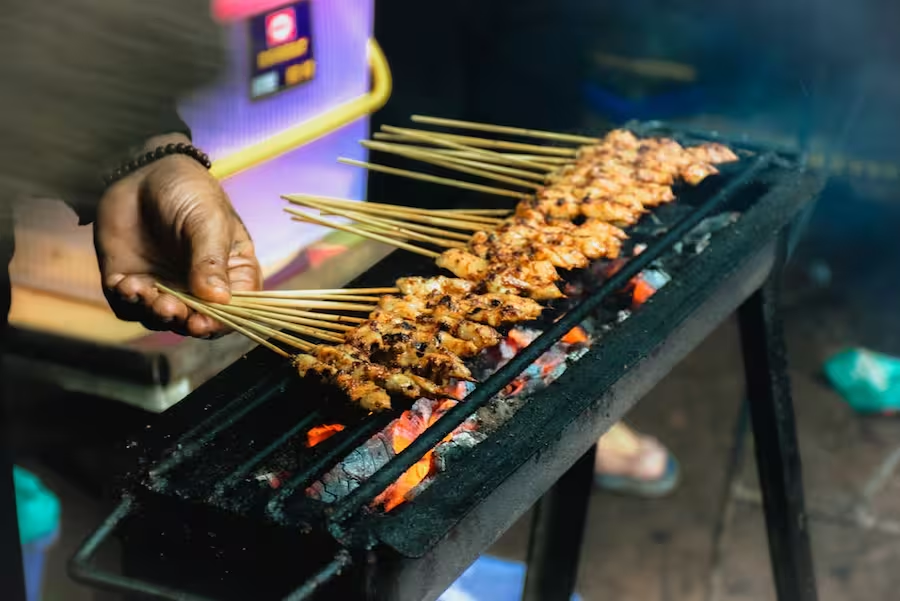
Simple but dangerous 😅
Because once you start ordering satay skewers, it’s very easy to keep going.
Usually:
Perfect late-night food after being out in Bali.
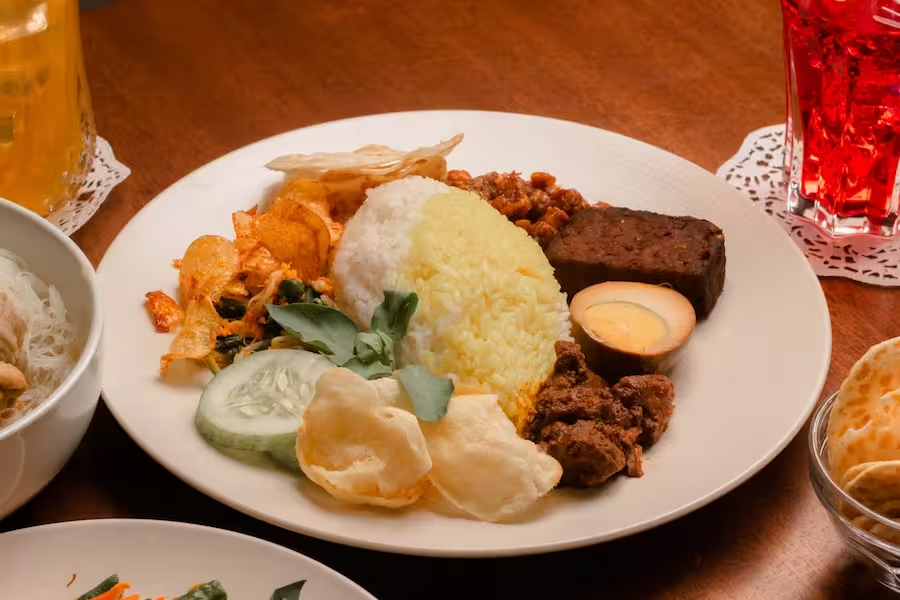
This is probably the best way to try multiple flavors at once.
You get:
Every place makes it differently, which honestly makes it more fun.
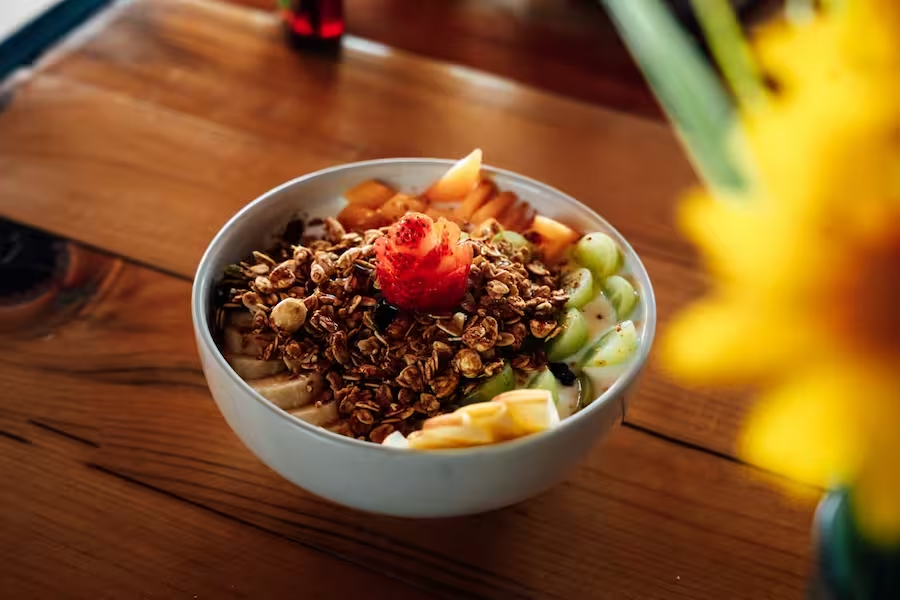
Here’s the thing many tourists don’t expect…
Bali is not only about traditional food anymore.
Places like Canggu and Ubud are packed with:
Some people absolutely love this side of Bali.
Others say:
“I flew to Indonesia and somehow ended up eating sourdough toast every morning.”
Both opinions are kind of valid 😄
The best food in Bali includes famous dishes like Nasi Goreng, Mie Goreng, Babi Guling, Satay, and Nasi Campur. Traditional Balinese dishes are known for smoky flavors, spices, grilled meats, and rice-based meals. Bali also has a huge international café culture with vegan food, smoothie bowls, and specialty coffee. Overall, Bali offers one of the most diverse food scenes in Southeast Asia.
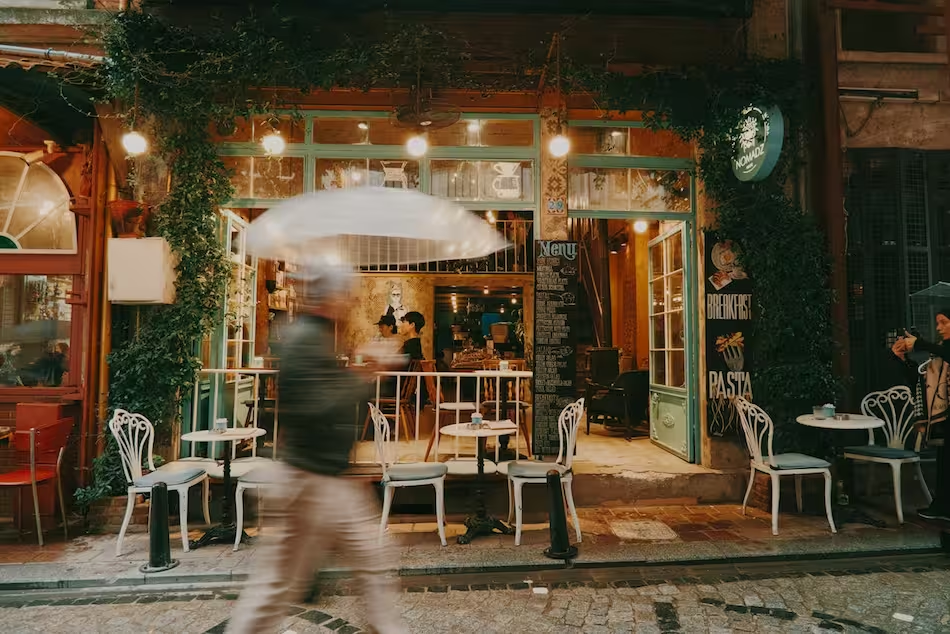
One of the funniest things about eating in Bali is realizing you’re basically choosing between two completely different universes every day 😅
On one side:
On the other:
And honestly… both are part of modern Bali now.
Warungs are where a lot of travelers end up having their favorite meals.
They’re usually:
You walk in, point at dishes behind the glass counter, grab a plate of rice with different toppings, and somehow leave completely full for the price of a coffee back home ☕
And the best part?
A lot of these places feel genuinely personal.
Sometimes the owner cooks the food right in front of you. Sometimes three generations of a family are working together in one tiny kitchen.
That atmosphere is hard to fake.
Then there’s the other side of Bali food culture.
Especially in places like Canggu and Ubud, café culture has become huge.
You’ll see:
And honestly, some cafés are genuinely amazing.
The coffee scene in Bali is surprisingly strong, and the quality of international food is often way better than people expect.
This is where things get interesting.
A local warung meal might cost:
A trendy café brunch:
That’s why so many people arrive in Bali expecting to spend very little… and end up wondering where their money went.
Because one smoothie bowl per day suddenly becomes:
“Wait… I could’ve eaten local food for three days with this.” 😅
Honestly? Neither.
The best Bali experience is probably mixing both.
A lot of long-term travelers eventually settle into that balance naturally.
Food culture in Bali is divided between traditional local warungs and trendy international cafés. Warungs offer authentic Balinese food at very affordable prices, while cafés in areas like Canggu and Ubud provide modern brunch and international cuisine. The price difference between local food and café food in Bali can be significant, affecting overall travel budgets. Overall, Bali food culture combines authentic Indonesian meals with a rapidly growing global café scene.
This is probably the section most people quietly care about before visiting Bali 😄
Because almost everyone asks some version of:
And honestly… the answer to all of those is basically:
Usually yes — if you use common sense.
Compared to the US, Europe, or Australia — absolutely.
Local food in Bali is still one of the best value-for-money experiences you can get while traveling.
Typical local meals:
But here’s the important nuance…
Bali can also become weirdly expensive if you mostly eat at:
That’s why two tourists can have completely different opinions about food prices in Bali.
One says:
“Food was insanely cheap.”
The other says:
“Why am I spending $20 on breakfast in Indonesia?” 😅
Both are technically right.
Before planning your Bali budget, it’s worth seeing what travelers are really spending in 2026 in Bali.
Alright… let’s talk about Bali Belly.
Yes, stomach issues happen in Bali. A lot.
If you’re nervous about getting Bali Belly, knowing a few simple things beforehand can save you a lot of stress.
But honestly, they happen in many tropical countries — and usually not because local food is “dirty.”
Common reasons:
Most long-term travelers eventually realize:
A Reddit-style opinion I actually agree with:
“The people who got sick fastest were usually the ones eating only smoothie bowls and ignoring hydration.”
Honestly… Bali might be one of the easiest places in the world to eat healthy if you want to.
Especially in areas popular with digital nomads, you’ll find:
At the same time, traditional local food can also be pretty balanced:
Of course, not everything is healthy.
Some local dishes are oily or fried.
But overall, Bali gives you a lot of flexibility depending on how you want to eat.
For some, Bali is also an island of parties and alcohol. There are useful facts about alcohol in Bali that you should know before arriving.
The funny thing about Bali food is this:
People usually arrive worried about safety…
…and leave obsessed with finding the best warung on the island 😄
That’s kind of the Bali food experience in general.
A little chaotic sometimes. Surprisingly addictive. Better than expected.
Food in Bali is generally affordable, safe, and healthy for most travelers in 2026. Local Balinese food remains very cheap compared to Western countries, while trendy cafés and international restaurants can be significantly more expensive. Although Bali Belly and stomach issues are common concerns, most food in Bali is safe when travelers use normal precautions. Overall, Bali offers a diverse food scene with healthy options, traditional meals, vegan restaurants, and affordable local cuisine.

✅ Traditional Balinese food is flavorful, spicy, smoky, and heavily based on fresh ingredients
✅ Bali offers both authentic local cuisine and modern international café culture
✅ Local warungs provide delicious meals for very affordable prices
✅ Famous dishes like Nasi Goreng and Babi Guling are must-try experiences
✅ Bali is one of the easiest places in Asia to find vegan, healthy, and wellness-focused food
🔶 Trendy cafés and beach clubs can make food in Bali feel unexpectedly expensive
🔶 Some travelers find traditional Balinese meals repetitive after a while
🔶 Bali Belly and stomach issues are still common concerns for tourists
We’ve created the ultimate Bali guide for first-time visitors — based on real experience, not guesswork.